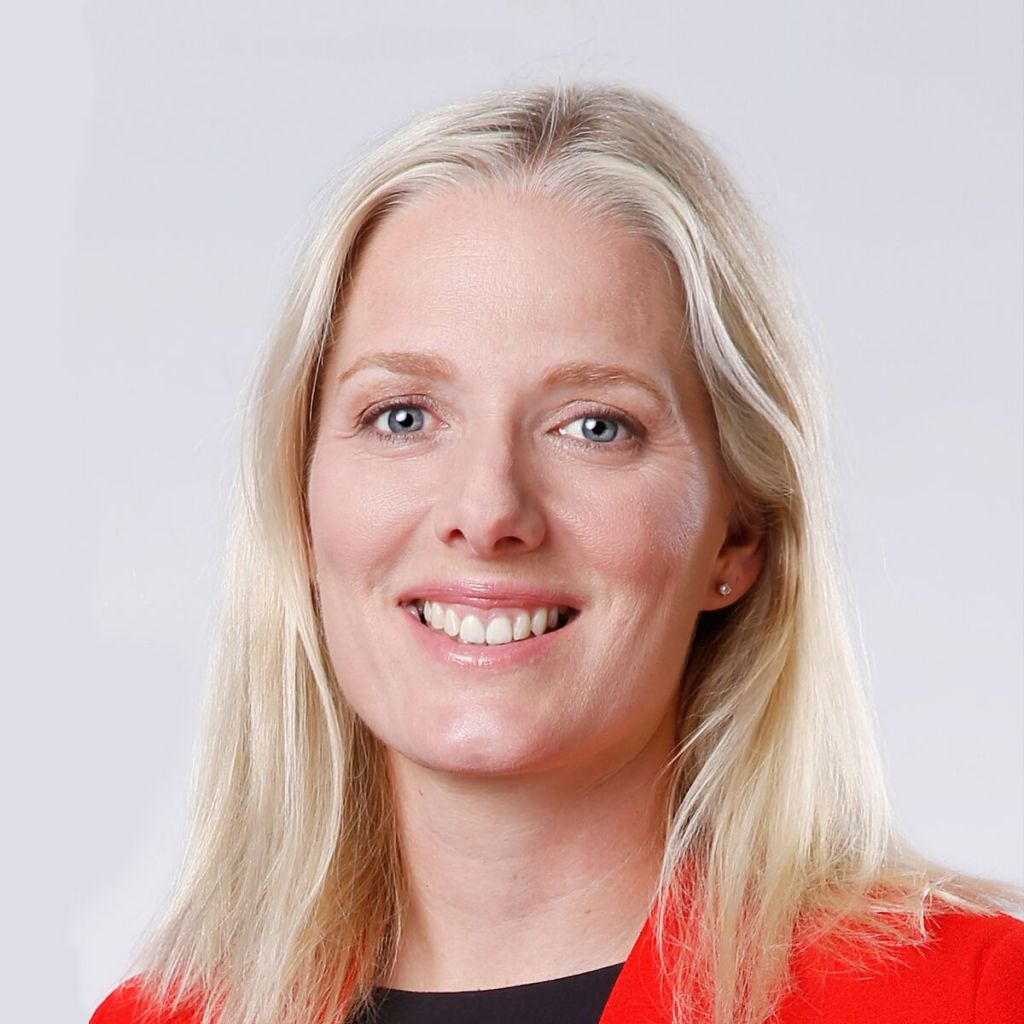
Following an election victory by the Liberals in 2015, Prime Minister Justin Trudeau appointed Ottawa lawyer Catherine McKenna as minister of environment and climate change. Later that year, McKenna was a lead negotiator for Canada when 195 countries reached the Paris Agreement. It committed governments to reducing greenhouse gas emissions, which are responsible for global warming and severe weather events. The Agreement’s stated aim was to limit the increase in global average temperatures to no more than 1.5°C above pre-industrial levels by 2050. In this speech in October 2016, McKenna described the government’s framework for clean growth and climate change. She argued that a carbon levy on the use of fossil fuels was key to the plan.
The Speech
Madam Speaker, today the world is at a turning point as the effects of climate change are already being felt. We know that 2015 was the hottest year in recorded history and that before that, so was 2014. Scientists now tell us that 2016 is on track to shatter those records. Decade over decade, we have seen increases in temperature. Climate change is real. We can already see and feel the impacts, from the heating oceans to rapid species extinction, to wildfires that rage longer and more harshly than ever before, and the list goes on. With this great challenge of our time comes great opportunity.
Paris Agreement to reduce carbon pollution
In Paris, after intense and rigorous discussions, the world finally decided to act. For the first time in history almost 200 countries agreed that future generations deserve better. The story of Paris was an overwhelmingly positive one, and we can be very proud of the role that Canada played. Our delegation included provincial and territorial premiers, mayors, indigenous leaders, and members of the opposition, who worked passionately to bring consensus. In Paris there was an understanding that by taking action now, by reducing carbon pollution we would not only stave off the worst effects of climate change but also spark innovation and drive growth across our economy . . .
The path forward will not always be easy, as there is much work to do. Years of inaction and indifference here in Canada and around the world have undermined our collective ability to protect our planet and protect our future. What should interest us now is doing something about it. That means ending the cycle in which federal governments have set targets without a corresponding plan. After years of inaction, today we are getting the work done.
Policies to address climate change
During the election last year our party set forth a comprehensive plan to address climate change, and Canadians voted overwhelmingly in favour. We promised to invest in clean transportation systems, to upgrade our infrastructure for the 21st century, and to invest in renewable energy. In our very first budget we stayed true to our promises. We committed over $60 million for clean transportation, $2 billion to communities to improve their water infrastructure and make buildings more energy efficient, and over $1 billion to support clean technology projects . . .
Canadians deserve a public transit system that relieves traffic congestion in our cities and reduces pollution. These may not be grandiose changes, but I can assure hon. members that these changes are essential.
We will continue to work with all levels of government to create an infrastructure plan that meets the real needs of Canadians, with a focus on sustainable communities and a clean economy.
Of course, there are cynics who say we should not try. They say that if we address climate change our economy will suffer. They could not be more wrong. The truth is that our economy suffers when we do not address climate change.
Good jobs ahead
Earlier, I discussed the wildfires that burn each summer in our country, stoked by changes to our climate. The Insurance Bureau of Canada has estimated that the costs of recent fires could be $3.5 billion. Experts and insurance companies alike agree that the damage caused by the increased frequency of natural disasters will have a very heavy economic toll. This is a major reason to act.
However, it is not all doom and gloom. Simply put, there are billions of dollars and hundreds of thousands of good, well-paying jobs on the table for countries that get this right. Engineering and design jobs in the clean energy sector; manufacturing jobs, whether of solar panels or electric vehicles; and jobs researching and processing biofuels are just a few examples.
CEOs praise carbon levy
By pricing carbon pollution, by pricing what we do not want, we can also be proactive rather than reactive to the realities of climate change. Members do not have to take my word for it. This past summer, business leaders from across the country lent their support to pricing carbon pollution, including retail leaders such as Canadian Tire, Loblaws, IKEA, and Air Canada; energy producers such as Enbridge, Shell and Suncor; resource companies such as Barrick Gold, Resolute Forest Products, and Teck Resources; and financial institutions, including BMO, Desjardins, Royal Bank, Scotiabank, and TD . . .
Suncor CEO Steve Williams stated, “We think climate change is happening. We think a broad-based carbon price is the right answer”.
Cenovus Energy released a statement that, “Having a price on carbon is one of the fairest and best ways to stimulate innovation to reduce the emissions associated with oil”.
These companies understand that when we pressure industry, when we put the right incentives in place, we unleash the market potential of our inventors, engineers, and entrepreneurs to innovate and create. These companies understand that as the world moves forward toward a low-carbon economy, it is market pressure that will unlock Canadian innovation and allow us to stay competitive in the 21st century. We will continue to use older forms of energy, but we must take advantage of the staggering opportunities unfolding.
In 2015, there was a major global shift. Close to a third of a trillion dollars was invested globally in renewable power, almost double the amount invested in fossil fuels.
Mark Carney lauds renewable energy
Mark Carney, the Governor of the Bank of England, recently said that renewable energy investments represent a future market in the trillions of dollars. As he reiterated in another speech in Berlin, “The more we invest with foresight, the less we will regret in hindsight . . .”
We have invested in our future to upgrade our infrastructure and install clean technologies, but let us be clear, to advance our goals we must also price carbon pollution.
Carbon must be priced
Let me just say that about 40 countries around the world are pricing carbon. Why? Carbon pricing is the most economically effective way to reduce emissions and stimulate clean innovation, which will all be critical to Canada’s success in a changing global economy.
A rising carbon price is critical to putting Canada on a path to meeting its Paris climate commitments and to building the foundation for a cleaner and stronger economic future. A well-designed plan will secure Canadian competitiveness in jobs while buffering any disproportionate impacts on vulnerable populations and sectors.
The idea is simple: let us put a price on what we do not want, pollution. Right now, polluters are not paying their fair share of the environmental damage they cause. Let us be clear: polluting is not free. The bill will always have to be paid. Right now, we are passing the true costs on to our kids and to our grandkids.
A price on carbon also sends a signal to Canadian innovators across all sectors that their ideas for reducing pollution are needed. This is a huge opportunity for Canada . . .
Planning for the future
We will continue moving forward to work with all Canadians to develop our climate change plan because we know this is a huge economic opportunity. It is not only about reducing emissions or future generations, it is about positioning ourselves for the economy of the future.
Source
House of Commons Debates, 4 October 2016, pp: 5437-5440.
Discover more from Great Canadian Speeches
Subscribe to get the latest posts sent to your email.

Leave a comment